How to Keep a Rottweiler Cool in Summer
Wondering when it's too hot to walk your Rottweiler? Learn the safest walking times, hot-pavement risks, overheating signs and simple ways to keep your Rottie cool.
Quick Answer: How Do You Keep a Rottweiler Cool in Summer?
Keep your Rottweiler indoors or in deep shade during the hottest part of the day, provide constant access to fresh water, and schedule walks for the coolest hours of the morning or evening. Choose grass or shaded paths instead of hot pavement and reduce the length and intensity of exercise.
A shallow paddling pool, sprinkler or cooling mat can help, but your dog should always be supervised and never forced into water. Watch closely for heavy panting, excessive drooling, weakness, confusion, vomiting or collapse. Heatstroke is a veterinary emergency: begin cooling your dog immediately and contact a veterinarian.
Why Rottweilers Can Struggle in Hot Weather
 Rottweilers are large, powerful dogs that can generate considerable body heat during exercise. Their dark coat absorbs sunlight, while their muscular build means an enthusiastic walk or game can become demanding quickly.
Individual risk also matters. Puppies, senior dogs, overweight Rottweilers and dogs with heart, breathing or other medical conditions may overheat faster. Learn more about these risks in our guide to common Rottweiler health problems. Humidity makes cooling through panting less effective, so a cloudy but humid day can still be dangerous.
Never assume your Rottweiler is safe simply because they want to continue playing. Many dogs will keep going long after they should have stopped.
Signs of Heatstroke in a Rottweiler
Normal panting after a gentle walk should gradually settle once your dog rests in a cool place. Panting that becomes relentless, noisy or accompanied by other symptoms can indicate dangerous overheating.
Warning signs include:
- Heavy or rapidly worsening panting
- Noisy or difficult breathing
- Excessive or thick drooling
- Very red, dark or unusually pale gums
- Weakness or reluctance to move
- Stumbling or uncoordinated movement
- Confusion or unusual behavior
- Vomiting or diarrhea
- A racing heartbeat
- Collapse, seizures or loss of consciousness
Do not wait for your dog to collapse. Heatstroke can damage the brain, kidneys, liver, digestive system and blood-clotting system, even when a dog initially appears to recover.
What to Do if Your Rottweiler Is Overheating
Emergency first aid: stop, cool and contact your veterinarian.
- Stop all exercise immediately.
- Move your dog out of the sun and into shade, air conditioning or another well-ventilated area.
- Begin wetting the body with water that is cooler than your dog. Concentrate on the neck, chest, stomach and thighs while keeping the airway clear.
- Create airflow with a fan or air conditioning to support evaporative cooling.
- Offer small amounts of fresh water if your dog is alert and able to drink, but do not force water into their mouth.
- Call your veterinarian or the nearest emergency veterinary hospital.
- Transport your dog in a cooled, well-ventilated vehicle and continue cooling during the journey if possible.
Do not delay cooling while searching for water at a "perfect" temperature. Use the coolest water immediately available that is below your dog's body temperature. Do not place ice directly against the skin and do not wrap your dog in wet towels, because covering the body can trap heat.
Never submerge an unconscious, elderly or medically vulnerable dog. Keep the airway clear and follow the instructions provided by your veterinarian.
The Safest Time to Walk a Rottweiler in Summer
Walk your Rottweiler during the coolest part of the day, usually early in the morning or later in the evening after the sun has gone down. Check the actual temperature, humidity and heat index before leaving rather than relying only on the time.
Our complete Rottweiler walking guide explains how to combine safe exercise with loose-leash training, sniffing and age-appropriate activity.
On particularly hot or humid days:
- Keep walks shorter than usual.
- Choose shaded routes.
- Walk on grass where possible.
- Carry water and a collapsible bowl.
- Stop regularly for calm water breaks.
- Avoid running, cycling and strenuous fetch games.
- Let your Rottweiler set a comfortable pace.
- Turn around immediately if their panting becomes unusually heavy.
Remember that roads and pavement can remain hot for hours after sunset. If the night stays warm and humid, skipping one walk is safer than trying to maintain the normal routine.
Replace outdoor exercise with indoor training, scent games, food puzzles, hide-and-seek or short obedience sessions. Our Rottweiler training guide contains practical exercises that can be practiced safely indoors. Mental enrichment can tire a Rottweiler without raising their body temperature as quickly as intense physical exercise.
How to Check if Pavement Is Too Hot
Asphalt, concrete, sand and artificial grass can become much hotter than the surrounding air and may burn your Rottweiler's paw pads.
Place the back of your hand against the surface for approximately five seconds. If you cannot comfortably keep it there, treat the surface as too hot for your dog. This is only a quick screening test, not a guarantee that the ground is safe.
Whenever possible:
- Walk on grass or shaded paths.
- Cross hot surfaces quickly rather than following long paved routes.
- Check paw pads after every summer walk.
- Watch for limping, licking, redness, blisters or loose skin.
- Contact your veterinarian if you suspect a paw-pad burn.
Dog boots can offer some protection, but they must fit correctly and should be introduced gradually. Boots also reduce heat loss through the paws, so they do not make strenuous exercise safe in hot weather.
Are Paddling Pools Safe for Rottweilers?
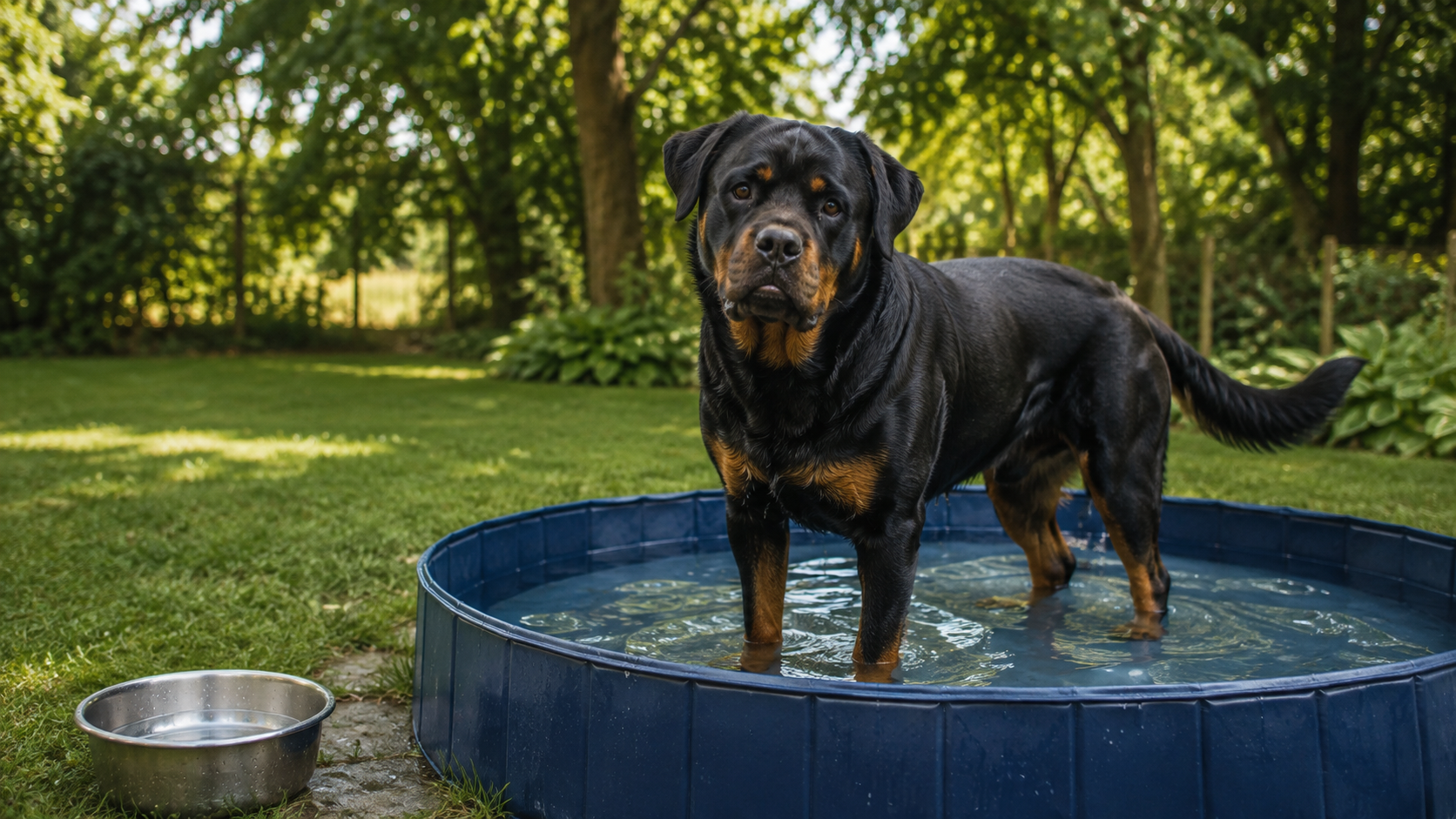
A shallow paddling pool placed in the shade can give your Rottweiler a safe place to cool their paws and belly. Fill it with clean water, keep the water shallow and make sure your dog can step in and out without slipping.
Important safety rules include:
- Supervise your Rottweiler at all times.
- Never force a frightened dog into the water.
- Use a nonslip surface around the pool.
- Provide an easy exit.
- Replace dirty or warm water regularly.
- Prevent your dog from drinking large amounts of pool water.
- Stop energetic play if your dog begins panting heavily.
After water play, rinse away dirt or chlorine and dry your dog thoroughly, especially around the outer ears. Our Rottweiler bathing guide explains how to wash and dry the coat without irritating the skin.
Not every Rottweiler is a confident swimmer. Use a properly fitted canine life jacket around deep water, on boats or when introducing your dog to swimming. Rinse the coat after swimming in a chlorinated pool and dry the outer ears.
Avoid lakes or ponds affected by blue-green algae, which can be highly toxic to dogs. Do not allow your Rottweiler to drink seawater, stagnant water or untreated water.
Summer cooling essentials
Looking for a safe paddling pool, cooling mat or portable water bottle?
Travelling With a Rottweiler in Hot Weather
Plan summer journeys around your dog's needs, not only your arrival time. Planning a longer journey or vacation? Our complete Rottweiler travel guide covers car safety, travel crates, documents, accommodation and breed-specific regulations.
Before leaving:
- Check the weather along the entire route.
- Travel during the coolest part of the day.
- Cool the vehicle before your Rottweiler gets inside.
- Bring more fresh water than you expect to need.
- Pack a bowl, towels, cooling mat and your veterinarian's contact details.
- Locate emergency veterinary hospitals near your destination.
- Use a secure crate or crash-tested restraint.
Never leave your Rottweiler alone in a parked vehicle—not even in the shade, with the windows open or "for just a few minutes." Vehicle temperatures can rise rapidly, and air-conditioning systems can fail.
During longer journeys, schedule regular breaks in shaded locations. Check that your dog is breathing normally and never leave them tied outside a shop, café or service station in direct sunlight.
When Should You Call a Veterinarian?
Contact a veterinarian immediately if your Rottweiler shows possible signs of heatstroke, including persistent heavy panting, weakness, confusion, vomiting, diarrhea, difficulty breathing or abnormal gums.
Go directly to an emergency veterinary hospital if your dog:
- Collapses
- Has a seizure
- Cannot stand or walk normally
- Loses consciousness
- Has severe breathing difficulty
- Vomits repeatedly
- Develops bloody diarrhea
- Does not improve promptly after cooling begins
A dog may appear better after being cooled while still developing internal complications. Veterinary assessment is therefore important whenever heatstroke is suspected.
Once the immediate emergency has been handled, unexpected veterinary treatment can still create considerable costs. Our Rottweiler pet insurance guide explains coverage, exclusions, deductibles and hereditary-condition rules.
Frequently Asked Questions
How hot is too hot to walk a Rottweiler?
There is no single temperature that is safe for every dog. Humidity, direct sunlight, pavement temperature, wind, age, weight, fitness and medical conditions all affect risk. When conditions feel uncomfortable, shorten or skip the walk and use indoor enrichment instead.
Can I walk my Rottweiler after sunset?
Usually, but check the temperature and pavement first. Asphalt can remain dangerously hot after the air begins cooling, and humid evenings can still make panting less effective.
Can I use a garden hose to cool my Rottweiler?
Yes, provided the water flow is gentle and your dog is comfortable with it. Wet the body while keeping water away from the face and airway. Stop if the experience causes panic or struggling.
Should I give my Rottweiler ice water?
Fresh drinking water should always be available. Do not force an overheated dog to drink or encourage them to swallow a large amount quickly. If heatstroke is suspected, active body cooling and immediate veterinary contact are more important than debating the exact drinking-water temperature.
Can a cooling vest or cooling mat prevent heatstroke?
Cooling products can make your dog more comfortable, but they do not make strenuous exercise safe in dangerous conditions. Check products regularly because some can become warm, damaged or ineffective. Shade, water, rest and avoiding the hottest hours remain essential.
Do Rottweilers like swimming?
Some Rottweilers love water, while others dislike it or are not confident swimmers. Introduce water gradually, supervise constantly and provide an easy exit. Use a canine life jacket around deep or open water.
Should I shave my Rottweiler in summer?
A Rottweiler's coat provides protection from sunlight as well as insulation. Regular brushing helps remove loose undercoat, but shaving is generally unnecessary unless a veterinarian recommends it for a medical reason. Follow our Rottweiler brushing guide for a simple coat-care routine.
Can a Rottweiler recover from heatstroke at home?
No. Cooling is emergency first aid, not a replacement for veterinary care. Heatstroke can cause delayed internal damage even when a dog appears to recover.
Sources and Further Reading
- American Veterinary Medical Association — Warm Weather Pet Safety
- Royal Veterinary College — Heatstroke in Dogs and Cats
- RSPCA — How to Recognise and Treat Heatstroke in Dogs
- RSPCA — Caring for Dogs in Hot Weather
- VCA Animal Hospitals — Heat Stroke in Dogs
- American Veterinary Medical Association — Pet Safety in Vehicles
- Blue Cross — Keeping Dogs Cool and Safe in Summer
Medical disclaimer: This article provides general educational information and does not replace individual veterinary advice. If you believe your Rottweiler is overheating or developing heatstroke, begin cooling immediately and contact a veterinarian.
Share this article
Read also
Pause for a moment
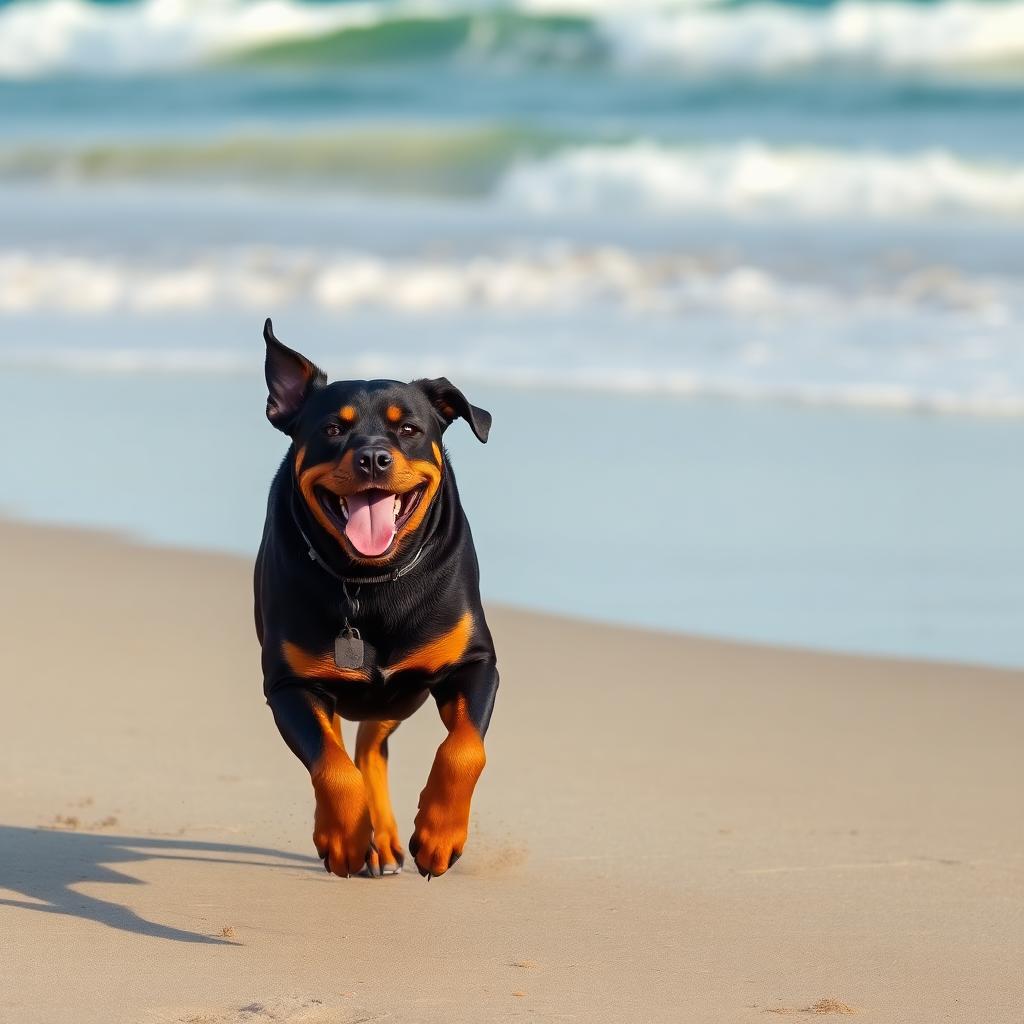
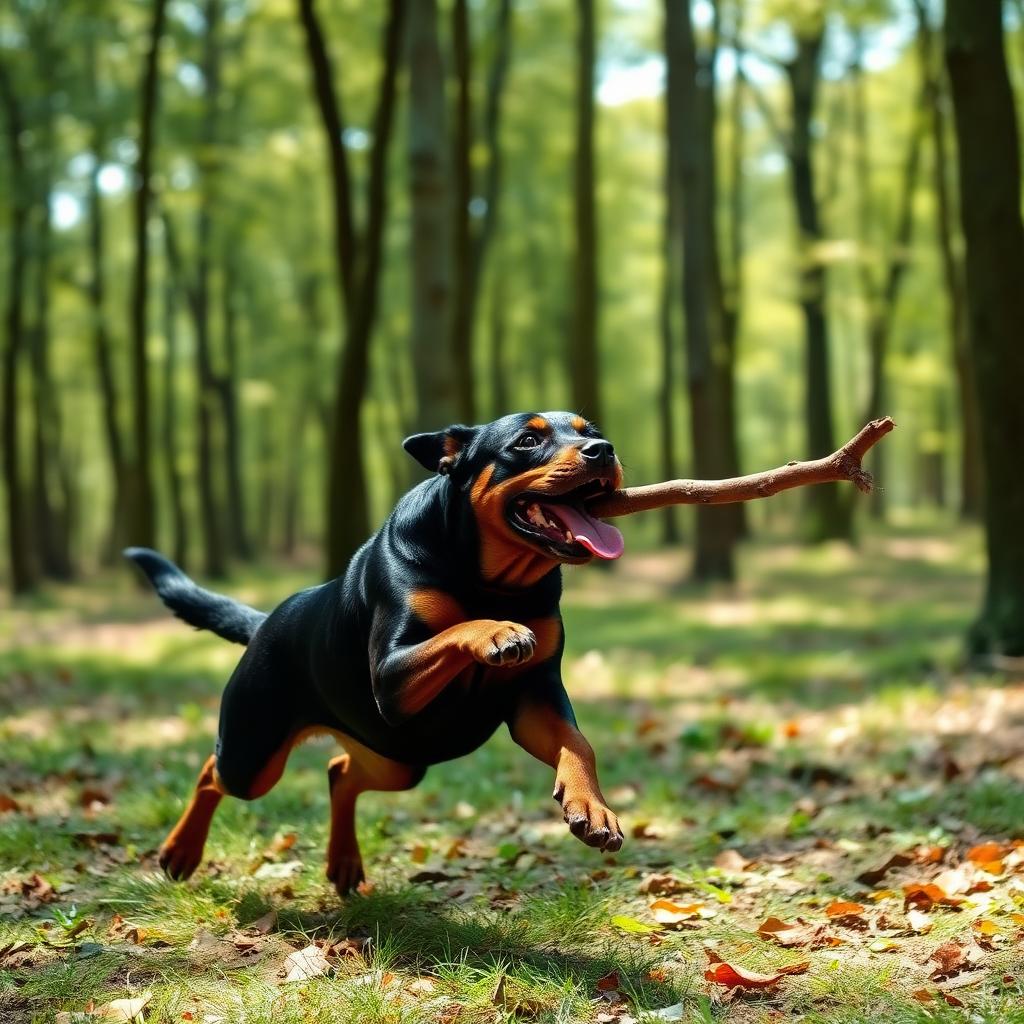
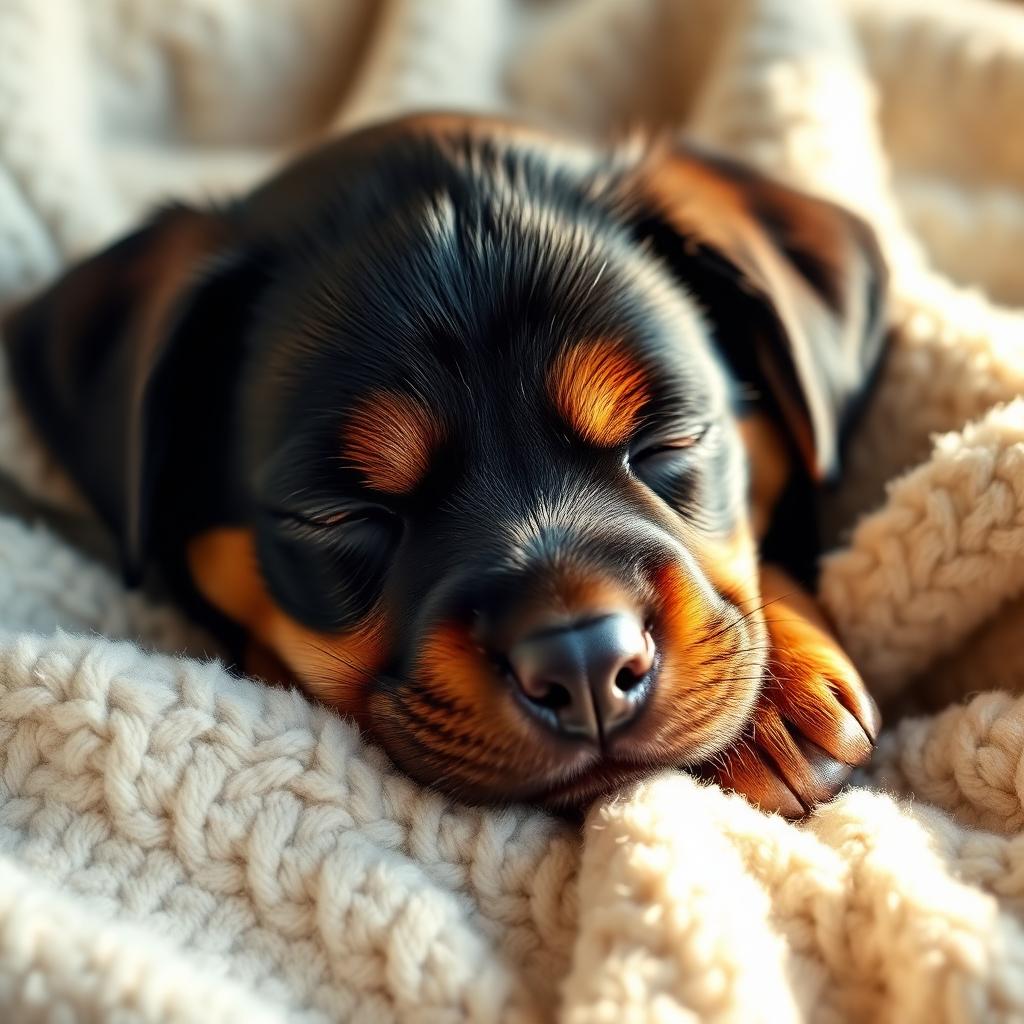
Three moments showing why Rottweilers are so special.