Rottweiler Puppy Bath: How to Survive the First Splash, Shake and Post-Bath Mud Attack
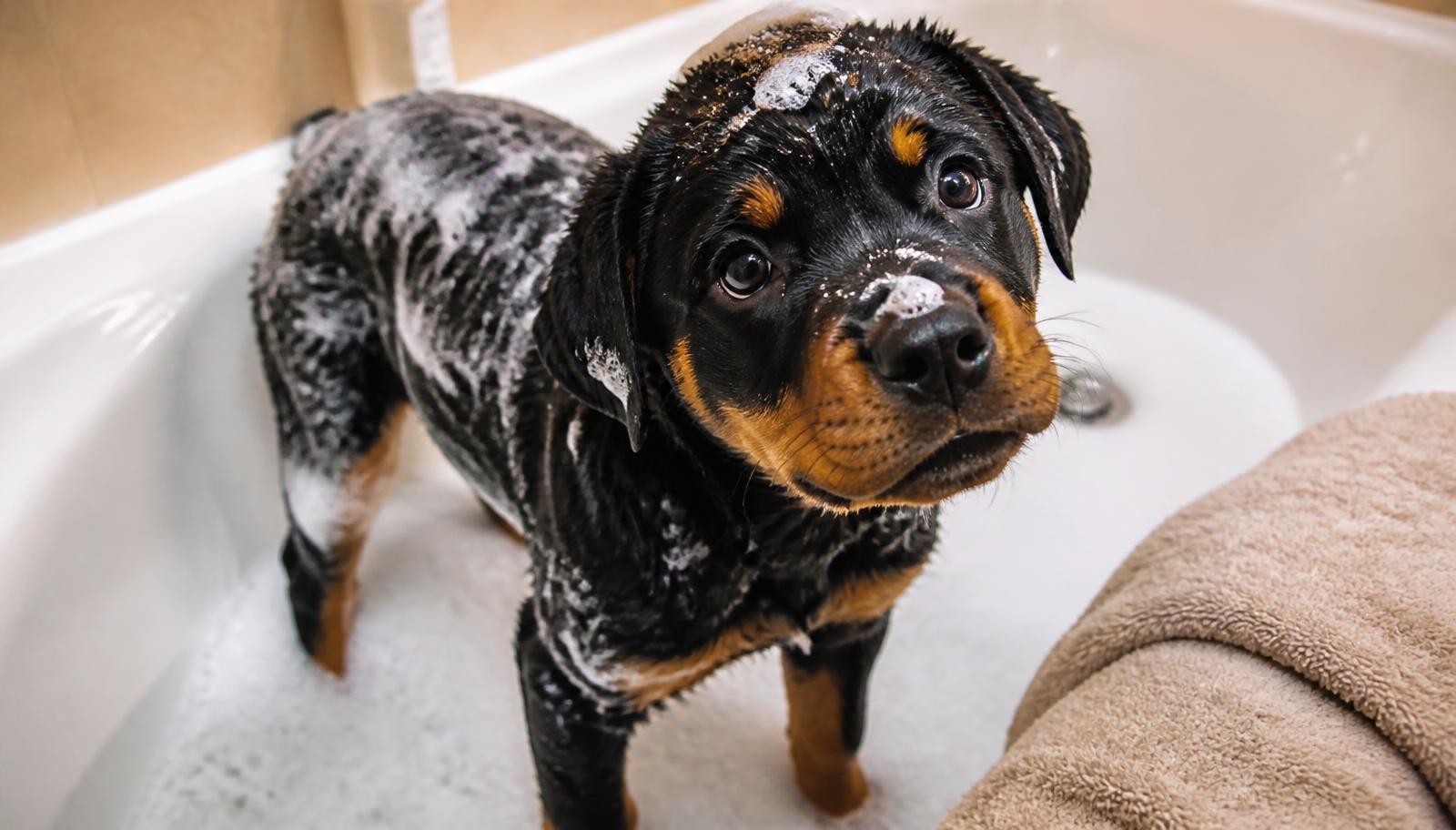
Your first Rottweiler puppy bath rarely goes to plan. Here is when puppies are old enough to be washed, how often to bathe them, which shampoo to use and how to keep bath time calm — mud attack included.
There are two kinds of Rottweiler puppies in this world. The first one steps calmly into the tub, waits patiently while you shampoo his tiny black-and-tan body, and poses beautifully for a towel-dry photo. The second one is an actual Rottweiler.
A Rottweiler puppy bath can begin as a wholesome bonding moment and end with you soaked from head to toe, three towels on the floor, shampoo on the wall, and your freshly washed puppy proudly digging a hole in the garden. If that sounds familiar, welcome to Rottie ownership.
The good news is that bathing does get easier. In this guide we cover your Rottweiler puppy first bath, when puppies are old enough to be washed, how often to bathe them, which products to use and how to make bath time less stressful for both of you. For the full routine — brushing, nails, ears and teeth — start with our complete Rottweiler puppy grooming guide.
When Should I Bathe My Puppy for the First Time?
There is no rule saying every puppy needs a full bath the moment they arrive home. If your Rottweiler puppy is reasonably clean, it is often better to give them a few days to settle before introducing another strange experience. Moving in already means new humans, new smells, new food, new sleeping arrangements and apparently a mysterious room where humans willingly stand under falling water.
For many puppies, waiting until they are around eight weeks old is perfectly reasonable, provided they are healthy and can be kept warm afterward. If your puppy has rolled in something disgusting, however, the timetable becomes less philosophical. There is a big difference between “my puppy smells slightly puppy-ish” and “my puppy has discovered fox poop.”
How Soon Can Puppies Get Their First Bath?
Very young puppies struggle to regulate their body temperature, so unnecessary full baths are generally avoided in the earliest weeks of life. For most owners bringing home an eight- or nine-week-old Rottweiler, a gentle bath can be introduced if needed.
The important things are to:
- use lukewarm water
- keep the bath short
- use a puppy-safe shampoo
- dry your puppy thoroughly
- keep them somewhere warm afterward
A puppy does not need a 45-minute spa treatment. Five to ten minutes is often more than enough. From your puppy’s perspective the experience is already suspicious: first you place him in a slippery container, then water appears, then bubbles appear, then you massage his backside while repeatedly saying “good boy!” Frankly, he has questions.
Can I Bathe My 7 Week Old Puppy?
If a seven-week-old puppy genuinely needs cleaning, a quick and careful wash may be appropriate, but very young puppies get cold fast. If the puppy is only mildly dirty, wiping the coat with a warm damp cloth is often the better option. If the puppy is heavily soiled, has a skin problem, or you are uncertain, ask your veterinarian or breeder. Never leave a young puppy wet and shivering.
Also remember that most seven-week-old puppies are approximately 40% dog and 60% chaos. Do not expect cooperation.
Can I Bathe My 2 Month Old Puppy?
Yes, in most situations a healthy eight-week-old puppy can have an occasional gentle bath. That does not mean your two-month-old Rottweiler needs bathing every few days. Rottweilers have a relatively easy-care double coat, and over-bathing dries out the skin by removing natural oils.
At this age, bath time is mainly about introducing the experience positively. Think “water is normal”, not “today we shall scrub every molecule of dirt from your body.” Detailed frequency advice lives in our guide to bathing a Rottweiler puppy.
First Bath for a 9-Week-Old Rottweiler Puppy: What It Usually Looks Like
The ideal version: puppy enters shower, stands calmly, gets shampooed, receives towel, falls asleep. Reality is often slightly different.
Imagine a nine-week-old Rottie named Bruno. Bruno enters the bathroom happily because somebody foolishly brought treats. He investigates the shower. He licks the drain. He attempts to eat the shower mat. Everything is going well. Then the water touches his back. Bruno freezes. He looks at you. You have betrayed him.
Ten seconds later Bruno is a slippery 10-kilogram torpedo. He turns around. You turn him back. You apply shampoo to his shoulders. He shakes. You now also have shampoo on your shoulders. Eventually Bruno is rinsed, wrapped in a towel and declared officially clean. Success. Bruno then goes outside, notices a patch of damp soil, remembers that he is a Rottweiler, digs, and lies down in the hole. The bath is now officially over.
Bathing Your Puppy: A Step-by-Step Guide
Step 1: Prepare everything before you bring the puppy in
Have everything ready beforehand:
- puppy shampoo
- two or three towels
- treats
- a non-slip mat
- a cup or handheld shower head
- a brush
- ideally a second human, if your puppy believes bathing is an escape-room challenge
Once the puppy is wet, you do not want to discover the towel is upstairs. That is how wet Rottweilers gain access to sofas.
Step 2: Use lukewarm water
The water should feel comfortably warm, not hot. Test it with your hand first and start around the legs and body instead of spraying your puppy in the face. A handheld shower head is useful, but keep the pressure gentle. If the sound worries your puppy, fill a container and pour slowly instead.
Step 3: Keep the face mostly dry
Avoid spraying water into the eyes, ears and nose, and clean around the face with a damp cloth. Rottweilers are extremely expressive dogs; you will know immediately if water enters the wrong place. The facial expression usually translates to “I will remember this.” Water in the ear canals is worth avoiding for practical reasons too — see our Rottweiler puppy ear-care guide.
Step 4: Apply puppy shampoo
Use a shampoo designed for dogs, preferably one made for puppies or sensitive skin. Do not use your own shampoo: human and canine skin have different pH levels, so products designed for people can irritate a dog’s skin. Massage gently through the coat and pay attention to the paws, legs, belly, chest, tail area and any suspicious substance your puppy found outside. If you encounter something mysterious stuck behind an ear, do not ask questions. You may not want the answer.
Step 5: Rinse thoroughly
Leftover shampoo irritates skin, so rinse until the water runs clear and the coat no longer feels soapy. The thick Rottweiler coat holds more product than you expect. Take your time. Your puppy may disagree with this recommendation.
Step 6: Prepare for the shake
There is one scientific law every dog owner eventually discovers: a wet dog will shake at the exact moment your face is closest to him. There is no way to prevent this. Keep a towel nearby and cover your puppy quickly after rinsing.
Step 7: Dry your Rottweiler puppy properly
Towel-dry thoroughly, paying attention to the chest, belly, paws, armpits and around the neck. Some owners use a hair dryer on a low, cool setting, but only if the puppy is comfortable with the sound — introduce dryers gradually. Do not chase your puppy through the house holding a screaming hair dryer. That creates what professionals call “a negative association”. It also creates broken furniture.
Need Help With Rottie Bath Time? Use Food
Many young Rottweilers dislike being restrained more than they dislike the water itself, so distraction is one of the easiest solutions.
You can:
- reward calm behavior with tiny treats
- place a lick mat nearby
- smear a small amount of dog-safe treat paste on a suitable surface
- practice standing in the dry tub before introducing water
- keep early sessions extremely short
A bath does not need to begin with shampoo. Day one might simply be: step into the shower, eat chicken, leave. The next session: step into the shower, water touches one paw, eat chicken, leave. Your puppy quickly learns that the bathroom means snacks — which is significantly better than the bathroom meaning humans attempting murder with a shower head.
How Often Should I Bathe My Rottweiler Who Is 16 Weeks Old?
There is no fixed schedule that every puppy needs. A healthy 16-week-old Rottweiler may only need a proper bath every four to eight weeks, depending on lifestyle and how dirty the dog gets. Some puppies go longer. Others discover mud. Lots of mud.
You may need an extra bath if your puppy:
- rolls in something smelly
- plays in mud
- swims in dirty water
- gets food all over the coat
- becomes unusually dirty
But avoid bathing simply because the calendar says it is bath day. Regular brushing handles a surprising amount of dirt.
Rottweiler Dog Care: Brushing, Bathing and Haircuts
The good news is that the Rottweiler grooming routine is relatively simple. Rottweilers have a short double coat and do not need regular haircuts like Poodles or long-haired breeds.
Nails and teeth belong in the same routine: see the nail-trimming guide and the puppy dental-care guide.
What Shampoo Is Best for a Rottweiler Puppy?
Choose a gentle dog shampoo formulated for puppies. Look for products that are:
- mild
- fragrance-light
- soap-free or gentle cleansing
- designed for sensitive skin
- easy to rinse
If your Rottweiler has persistent itching, redness, dandruff, bald spots or an unusual smell, do not keep experimenting with different shampoos. Speak to your veterinarian, because skin problems can have many causes including allergies, parasites and infections.
The Post-Bath Rottie Zoomies Are Real
Nobody warns first-time Rottweiler owners about what happens after the bath. Your puppy is clean. Your puppy is dry. Your puppy smells wonderful. Then something activates. The puppy lowers his body, his eyes widen, and suddenly your house contains a small black-and-tan missile: hallway, living room, kitchen, under the table, back to the hallway, onto the rug, face into sofa, roll, snort, sprint.
This is completely normal behavior for many dogs after a bath. Researchers might describe it as releasing tension or excitement. Rottweiler owners usually describe it as “Kevin has lost his mind.”
And Then There Is the Garden
Your puppy has just had the perfect bath. His coat is shining. You take a photograph. You briefly consider posting it online. Then you open the back door. Your puppy walks into the garden, smells something and stops. You recognize the body language. The front paws move. Soil flies. Too late.
Your beautiful clean Rottweiler has created a crater, stepped into it, turned around twice and lain down. Congratulations: your clean puppy lasted 74 seconds. A personal record.
How to Stop Your Puppy Getting Filthy Immediately After a Bath
If you would like your Rottie’s clean appearance to survive slightly longer, keep the puppy indoors or on leash for a while after bathing. Especially avoid immediate access to:
- muddy gardens
- freshly watered flower beds
- compost
- ponds
- sand
- livestock
- unidentified objects that smell fascinating to dogs
Give your puppy a chew toy or food puzzle indoors until the coat is fully dry, because a wet coat attracts dirt surprisingly quickly.
What If My Rottweiler Puppy Hates the Shower?
Do not force a frightened puppy through a long bathing session unless cleaning is genuinely necessary. Build confidence gradually instead, rewarding your puppy for:
- entering the bathroom
- approaching the shower
- standing inside it
- hearing water running nearby
- allowing a paw to become wet
- eventually accepting a gentle rinse
This process can take several short sessions, and that is fine. The goal is not simply to wash your puppy. The goal is to create an adult Rottweiler who weighs 45–55 kilograms and does not believe the bathtub is a portal to hell. Training this early is considerably easier.
Frequently Asked Questions About Rottweiler Puppy Baths
How soon can puppies get their first bath?
Most owners can introduce a gentle full bath once a puppy is around eight weeks old if necessary, provided the puppy is healthy, kept warm and dried thoroughly. Younger puppies may be better cleaned with a warm damp cloth.
Can I bathe my 7 week old puppy?
Sometimes, if it is genuinely needed. Keep the wash brief, use warm water and dry the puppy thoroughly. Ask your veterinarian if you are unsure.
Can I bathe my 2 month old puppy?
Generally yes. A healthy two-month-old puppy can have a gentle bath when needed, using lukewarm water and puppy-safe shampoo.
How often should I bathe my Rottweiler who is 16 weeks old?
For many puppies every four to eight weeks is more than enough, unless the puppy becomes particularly dirty or smelly.
Can I use human shampoo on my puppy?
Better not. Human shampoo may irritate canine skin because human and dog skin have different characteristics and pH levels.
Why does my puppy go crazy after a bath?
Post-bath zoomies are common: puppies run because they are excited, relieved, trying to dry themselves or simply enjoying the freedom after standing still.
Final Thoughts: Your Bathroom Will Survive
Your Rottweiler puppy first bath probably will not be graceful. There may be splashing, barking and an attempted escape. But each positive bath experience teaches your puppy that grooming is simply part of normal life. Keep sessions short, use plenty of rewards and stay calm.
And never assume a freshly washed Rottweiler will stay clean once he discovers an interesting hole outside. Because if there is one thing Rottweiler puppies love more than being dirty, it is becoming dirty immediately after you have just cleaned them. Ready for the rest of the routine? Continue with the Rottweiler puppy grooming hub.
Share this article
Read also
Pause for a moment
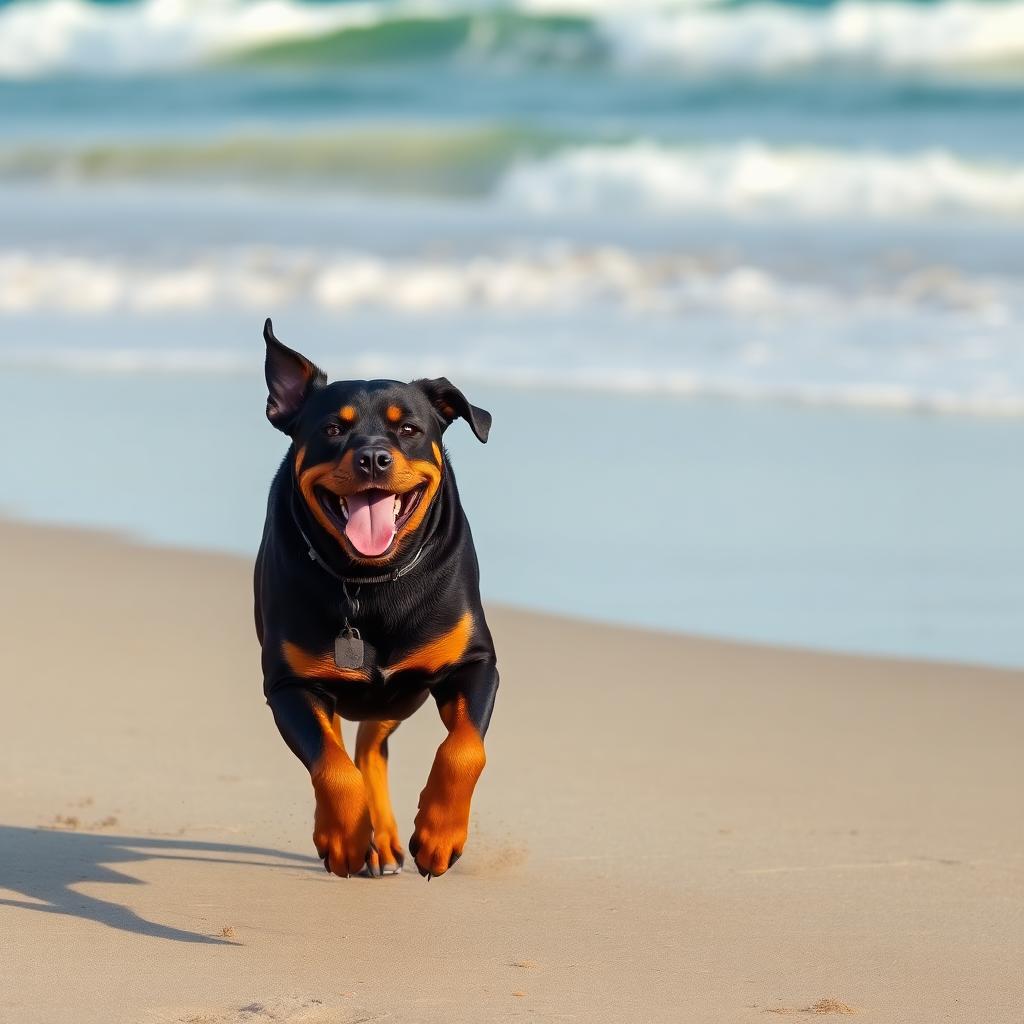
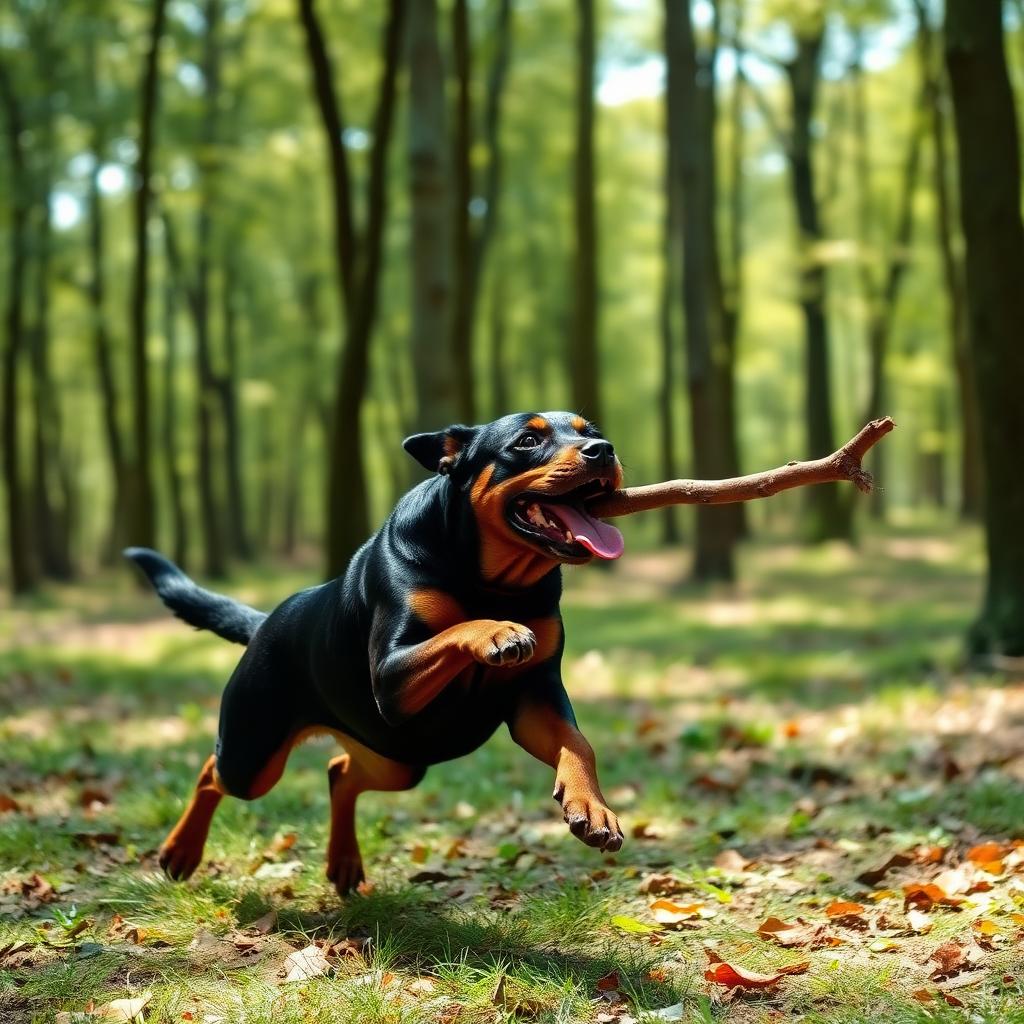
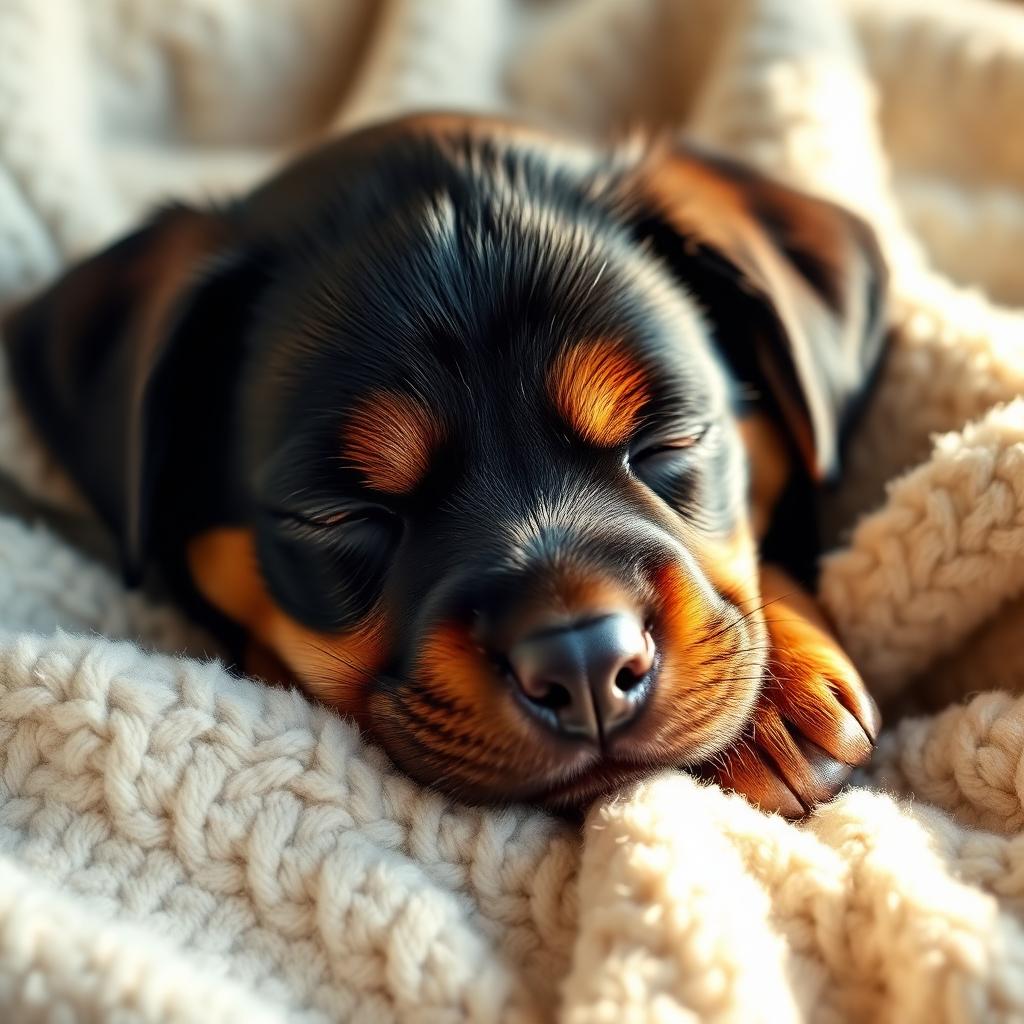
Three moments showing why Rottweilers are so special.