1
8–12 weeksNew home foundations
Your puppy is learning where safety, sleep, food and guidance come from.
- Potty + crate routine
- Name + recall games
- Gentle handling
- Positive socialization

Your Rottweiler changes fast during the first year — physically, mentally and behaviorally. Use this age-by-age development hub to understand growth, weight, teething, feeding, training, socialization and adolescence, then open the detailed guide for the stage your puppy is in now.
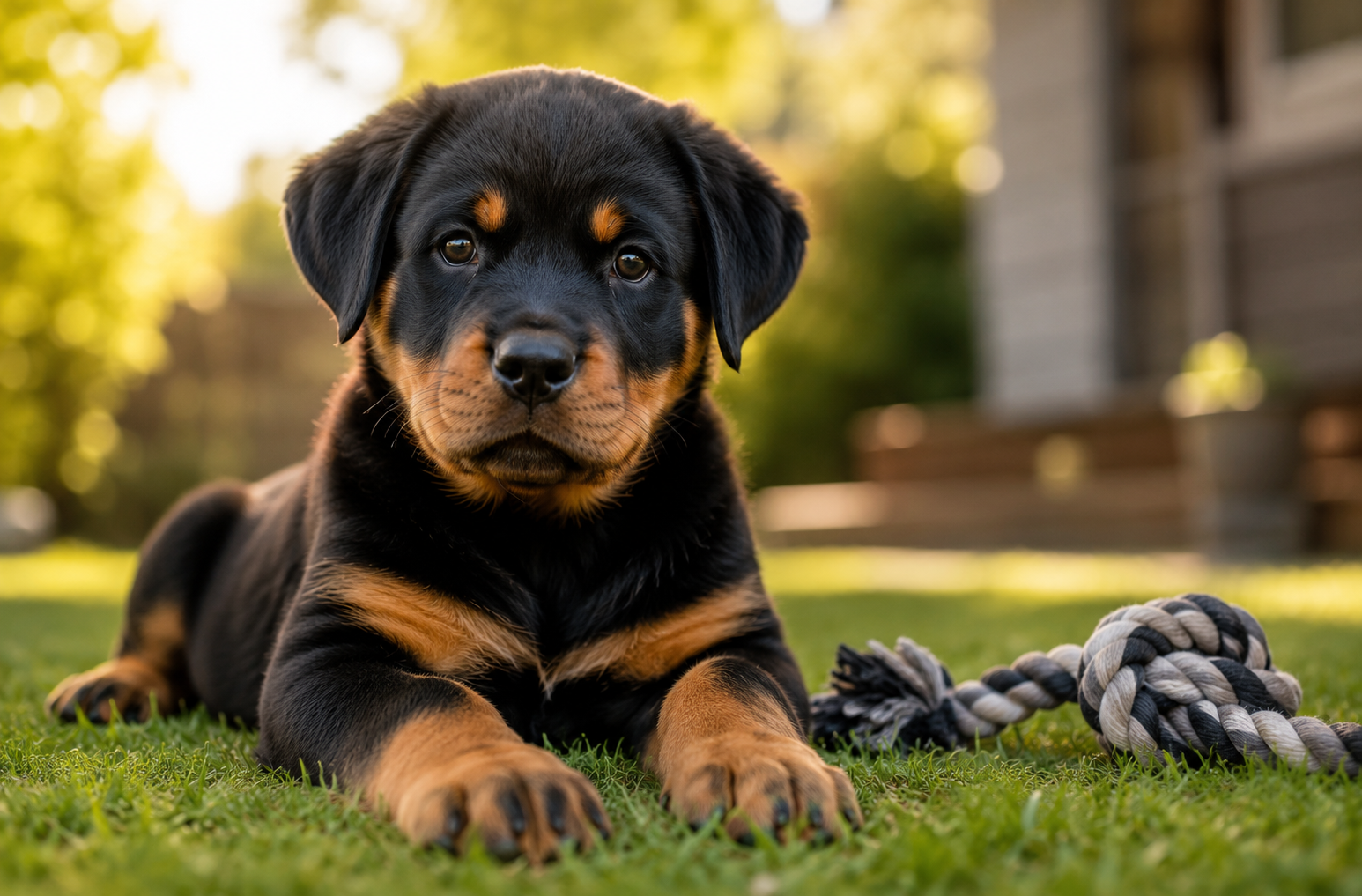
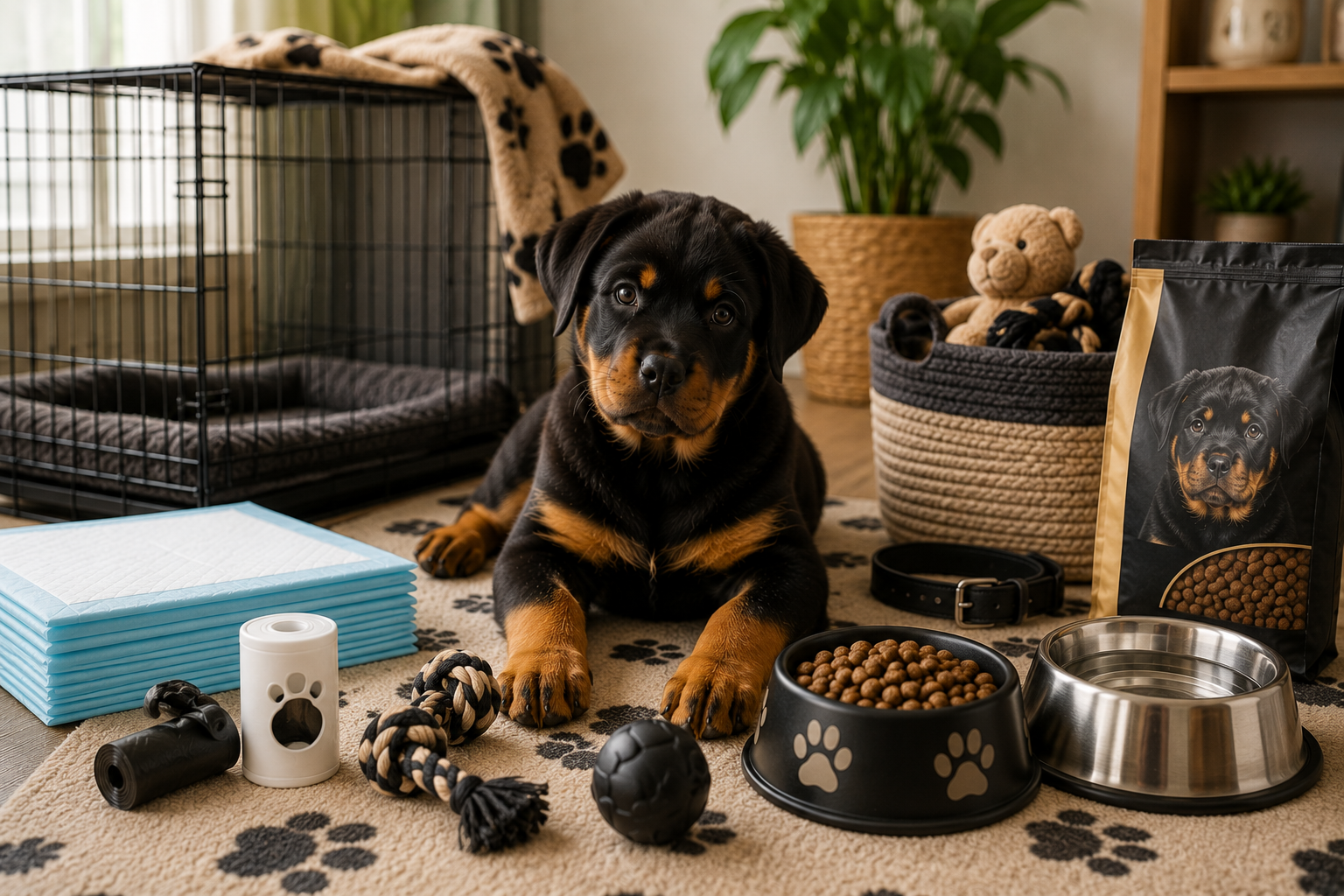
Crate and sleep setup, feeding gear, teething toys and first-walk equipment — the practical kit that makes the 8–12 week stage easier.
View puppy essentials →Choose an age to highlight the most relevant stage and open the detailed guide.
Home, bonding, sleep, potty training, crate comfort, name recognition and low-pressure positive socialization are the priorities.
Size changes quickly, but mental maturity takes much longer. Each stage has a different training priority, behavior pattern and owner job.
Your puppy is learning where safety, sleep, food and guidance come from.
Curiosity grows, teething intensifies and your puppy is ready for slightly more structure.
Your puppy may look more adult while becoming more interested in the environment than in you.
A powerful body arrives before an adult brain. Reliability may temporarily feel worse.
Your Rottweiler may look grown, but physical and mental development are not finished yet.
At 8 weeks old, a Rottweiler puppy is still very young and there can already be noticeable differences in size between individual puppies. As a rough guide, many 8-week-old Rottweiler puppies weigh around 6–12 kg (13–26 lbs), although males, females and different bloodlines can grow at different rates.
If your 8-week-old Rottweiler is smaller or larger than average, that does not automatically mean something is wrong. Genetics, litter size, nutrition and body structure can all influence early puppy weight.
Want to follow your puppy’s progress? Use our Rottweiler Puppy Growth Tracker to record weight over time and compare the overall growth trend rather than relying on a single weigh-in.
| Age | Rough range | Visual growth | Owner focus |
|---|---|---|---|
| 8 weeks | ~6–12 kg (13–26 lbs) | Routine | |
| 3 months | ~12–18 kg (26–40 lbs) | Socialization | |
| 4 months | ~18–25 kg (40–55 lbs) | Boundaries | |
| 6 months | ~25–35 kg (55–77 lbs) | Adolescence | |
| 1 year | ~35–45 kg (77–99 lbs) | Reliability |
 8–12 WEEK PICK
Balanced nutrition for controlled growth and developing joints.
View recommendations →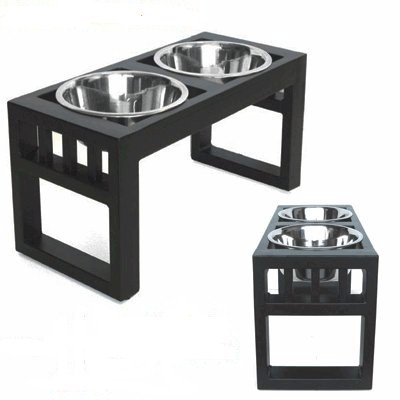 DAILY ESSENTIAL
Stable, easy-clean bowls sized for a quickly growing Rottie.
View recommendations →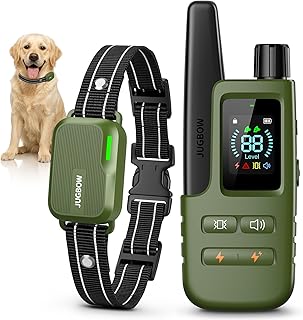 FIRST WALKS
Lightweight and adjustable while your puppy grows rapidly.
View recommendations →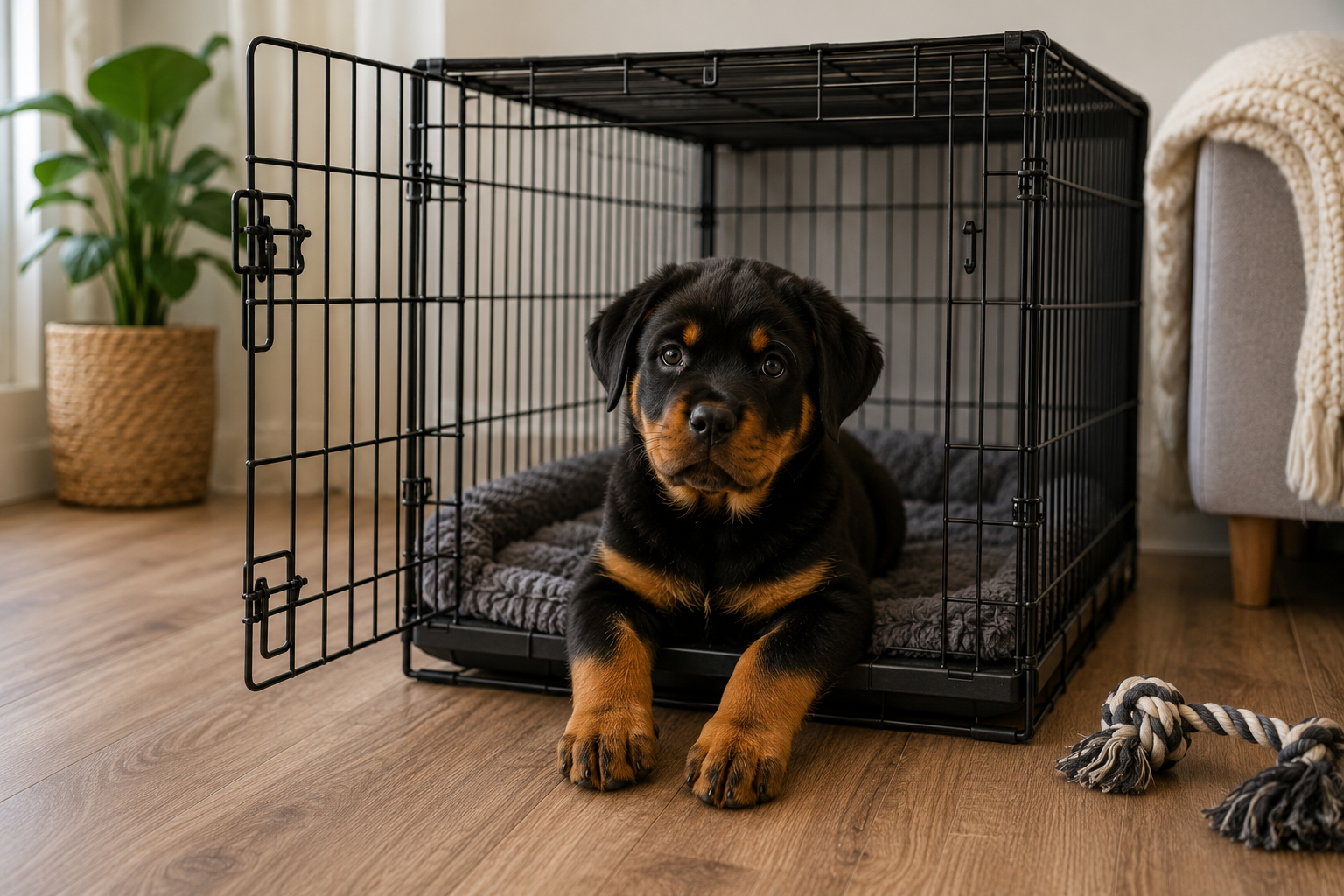 SEE ALL
Browse crates, pads, food, bowls, collars, toys and more.
Browse essentials →Puppyhood is not one continuous stage. Social learning, teething and adolescence overlap with growth, and each creates different behavior that can look confusing if you are not expecting it.
Calm positive exposure to people, sounds, surfaces, handling and safe environments helps your puppy learn what belongs in normal life.
Adult teeth begin replacing puppy teeth while the body changes quickly. Mouthing can feel much harder even when the behavior is still normal puppy chewing.
A physically impressive Rottweiler can still have immature impulse control. Previously learned skills may become less reliable around distractions.
The same command means something different at each stage. “Come” in a quiet living room at nine weeks is not the same skill as recall around dogs at nine months.
Name, potty, crate, handling and tiny recall games.
Sit, leash introduction, recall and calm exposure.
Waiting, loose leash, long-line recall and calm greetings.
By six months, many Rottweilers are already powerful dogs. That does not mean the brain has caught up. Structure becomes more important exactly when the puppy starts looking less like a puppy.
Recall, greetings, boundaries and controlled freedom.
Longer duration, stronger distractions and appropriate working outlets.
Keep training and enriching even when your Rottweiler looks fully grown.
Weight is only one signal. Appetite, curiosity, movement, sleep, recovery after new experiences and general wellbeing provide important context too.
Use the stage guide for context, then track your own puppy instead of relying on generic charts alone.
Log age and weight, follow the trend over time and keep your puppy’s growth history in one place.
Open Growth Tracker →See the feeding principles that support steady, controlled large-breed puppy growth.
Puppy food guide →Estimate recurring food, care and training costs as your Rottweiler grows.
Calculate costs →Rottweilers grow quickly during the first year, but the goal is steady development rather than maximum weight. Genetics, sex, nutrition, frame and body condition all influence a healthy growth curve. Use charts as context, then follow your own puppy’s trend over time.
There is no single correct number for every puppy. The rough ranges on this page can help with context, but healthy puppies vary. Look at body condition and the overall growth trend, and discuss concerns with your veterinarian. Track your puppy’s growth →
Adolescent behavior often becomes noticeable around six months and can continue well beyond the first birthday. This is when a puppy may become physically powerful while impulse control and real-world reliability are still developing.
Teething is especially noticeable through roughly the three- to six-month period, although individual timing varies. Provide safe chewing outlets and redirect mouthing consistently rather than treating normal teething as aggression.
As confidence and independence increase, the environment becomes more rewarding and previously learned skills can appear weaker. Lower the difficulty, add distance from distractions and rebuild reliability instead of assuming your puppy has forgotten everything.
Not necessarily. Many Rottweilers are close to adult height by one year, but muscle, chest development, body composition and mental maturity can continue well beyond the first birthday.
Exercise needs change with age, but growing puppies benefit from varied low-impact movement, play and mental activity rather than repetitive forced exercise. If you have questions about exercise and joint development for your individual puppy, ask your veterinarian.