
Back to Rottweiler Puppy Behavior

Is My Rottweiler Puppy Dominant? Myths, Meaning and Better Training

A puppy who jumps, pulls, guards a toy, ignores a cue or sleeps on the sofa is not automatically trying to become "pack leader." Labeling every unwanted behavior as dominance hides the information needed to change it: what happened, what the puppy felt, what the behavior achieved and what has been reinforced.

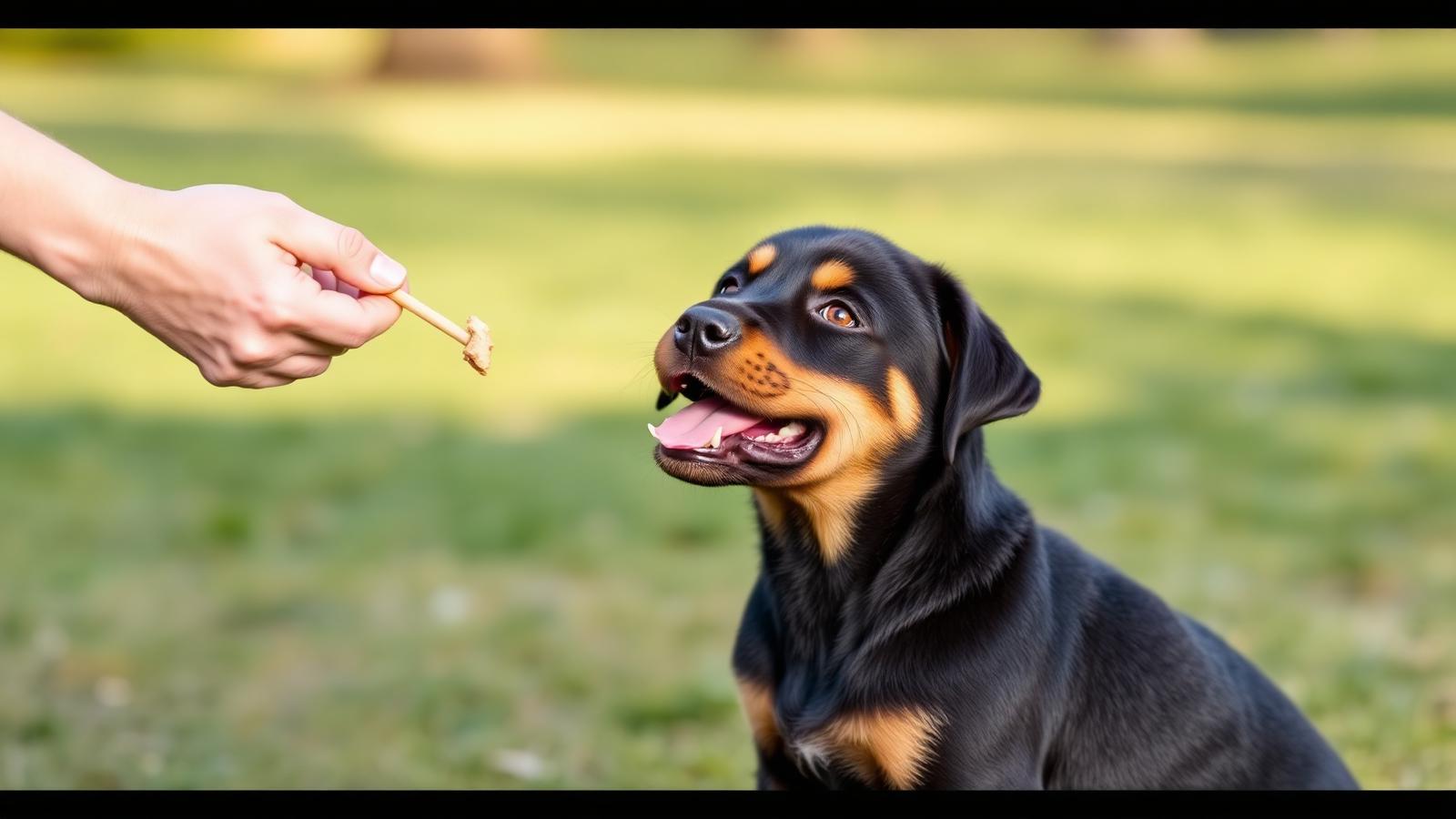
Rottweiler puppy making relaxed eye contact during reward-based training

Is My Rottweiler Puppy Dominant? Myths, Meaning and Better Training

A puppy who jumps, pulls, guards a toy, ignores a cue or sleeps on the sofa is not automatically trying to become "pack leader." Labeling every unwanted behavior as dominance hides the information needed to change it: what happened, what the puppy felt, what the behavior achieved and what has been reinforced.

Dominance has a narrow scientific meaning related to a relationship and access to resources in a specific context. It is not a useful personality diagnosis for explaining most dog–human training problems. Current veterinary behavior guidance recommends reward-based methods rather than physical confrontation or rank-reduction rituals.

Last reviewed: August 2026

Common “Dominance” Claims—and More Useful Explanations

BehaviorDominance mythMore useful questions
Walks through a doorway first"Trying to lead the pack"Has a wait cue been taught and reinforced? Is the puppy excited?
Pulls on leash"Wants control"Is forward movement rewarding pulling? Is the environment too difficult?
Jumps on people"Challenging status"Does jumping produce attention or access to faces?
Sleeps on furniture"Claiming higher rank"What household boundary do you want, and has it been trained?
Growls over a chew"Refuses submission"Is the puppy afraid of losing resources? Is forced removal increasing conflict?
Ignores a cue"Stubborn and dominant"Does the puppy understand it here, and is the reward strong enough?
Mounts"Showing who is boss"Is the puppy overexcited, stressed, playful or rehearsing a normal behavior?

Better questions lead to safer training plans.

Why Alpha Rolls and Physical Confrontation Are Risky

Rolling, pinning, scruffing, staring down or forcing a puppy to "submit" can create fear and defensive behavior. The puppy may stop moving because they are frightened, not because they understand what to do next.

Confrontation is particularly unsafe when a dog guards food, objects or space. Punishing a growl can remove a warning signal while the underlying discomfort remains. Use barriers, trades and qualified help instead of testing how much pressure the puppy will tolerate.

AVSAB's current humane-training position recommends reward-based methods for training and behavior modification and warns against outdated dominance, pack-leader and alpha approaches.

Reward-Based Does Not Mean Permissive

Good reward-based training includes structure, prevention and consequences. It means:

  • Setting clear household rules
  • Preventing access to behavior the puppy cannot yet handle
  • Teaching a specific alternative
  • Reinforcing that alternative consistently
  • Removing access to an expected reward when appropriate and humane
  • Matching difficulty to the puppy's skill level
  • Meeting physical, social, rest and enrichment needs
  • Getting veterinary input when pain, fear or anxiety may be involved

A puppy can learn to wait at doors, leave food, settle on a mat and walk on a loose leash without intimidation.

What Calm Leadership Looks Like in Daily Life

SituationPractical plan
MealsAsk for one easy behavior, place the bowl down and leave the puppy to eat safely
DoorwaysReinforce a pause, open the door gradually and reset if the puppy rushes
Stolen objectTrade rather than chase or pry the mouth open
Sofa accessTeach "up" and "off," or prevent access consistently if furniture is off-limits
PlayUse start, pause and release cues with an appropriate toy
GreetingsReinforce four paws down and manage distance
WalksReward check-ins and loose-leash steps instead of correcting tension

Consistency means the same cue predicts the same opportunity. It does not mean using greater force.

Resource Guarding Is Not a Leadership Contest

Freezing, eating faster, hovering over an item, hard staring, growling, snapping or biting when someone approaches can indicate resource guarding. Do not repeatedly take the bowl away to prove control. That can teach the puppy that an approaching person predicts loss.

Manage distance, keep children away from food and chews, stop confrontational tests and contact a qualified professional. Planned exchanges and positive approach exercises should be matched to the severity of the behavior.

How to Choose a Trainer

Look for a professional who:

  • Uses reward-based methods and explains the plan clearly
  • Holds relevant education or recognized behavior credentials
  • Allows you to observe methods
  • Works with your veterinarian when medical factors may contribute
  • Does not guarantee a cure or instant result
  • Does not use pain, fear, intimidation or "balanced" corrections
  • Does not describe every problem as dominance

The training industry is not uniformly regulated, so methods and credentials matter. AVSAB provides current guidance on choosing humane professional help.

Behavior safety

Contact your veterinarian and a qualified behavior professional for guarding, snapping, biting, severe fear, sudden personality change or behavior that makes household members unsafe. Use gates, doors and distance while arranging help. Do not stage another confrontation to film or test the puppy.

Support Clear Communication—Not a Battle for Rank

RottieBuddy may earn a commission from qualifying purchases, at no extra cost to you. Product links never replace veterinary or professional behavior advice.

Browse practical equipment for reward delivery, management and skill-building. Gear supports training; it does not replace an individualized plan for aggression or guarding.

Explore Reward-Based Training Gear

Compare Training Treat Pouches

Explore Reward-Based Training Gear

Sources and Further Reading

American Veterinary Society of Animal Behavior — Dominance Position Statement. AVSAB — Humane Dog Training Position Statement. Merck Veterinary Manual — Behavior modification in dogs.

This guide provides general educational information and is not a diagnosis or an individual behavior plan. Sudden behavior change can have a medical cause. If a puppy threatens, bites, guards resources, panics or creates a safety risk, contact your veterinarian and a qualified reward-based behavior professional.

Frequently Asked Questions

Is my Rottweiler puppy trying to dominate me?

Usually this label is not helpful. Describe the exact behavior and context, then address reinforcement, fear, frustration, skill gaps, needs or possible pain.

Should I eat before my dog or walk through doors first?

Those rituals do not establish human rank. Teach doorway safety and polite waiting because they are useful behaviors, not pack rules.

Should I alpha roll my puppy?

No. Physical confrontation can create fear and defensive aggression and does not teach the desired response.

Does sleeping on the bed make a dog dominant?

No. Furniture access is a household preference. Allow it or teach an alternative consistently according to safety and comfort.

Is growling a dominance problem?

Growling is a warning that the dog is uncomfortable. Create safety, identify the trigger and get professional help rather than punishing the signal.

Continue your puppy behavior guide