
& REAL ROTTWEILER DATA
Helping Rottweiler owners raise amazing dogs!
Practical guides, training help and honest product advice — built for real life with a strong, loyal dog.

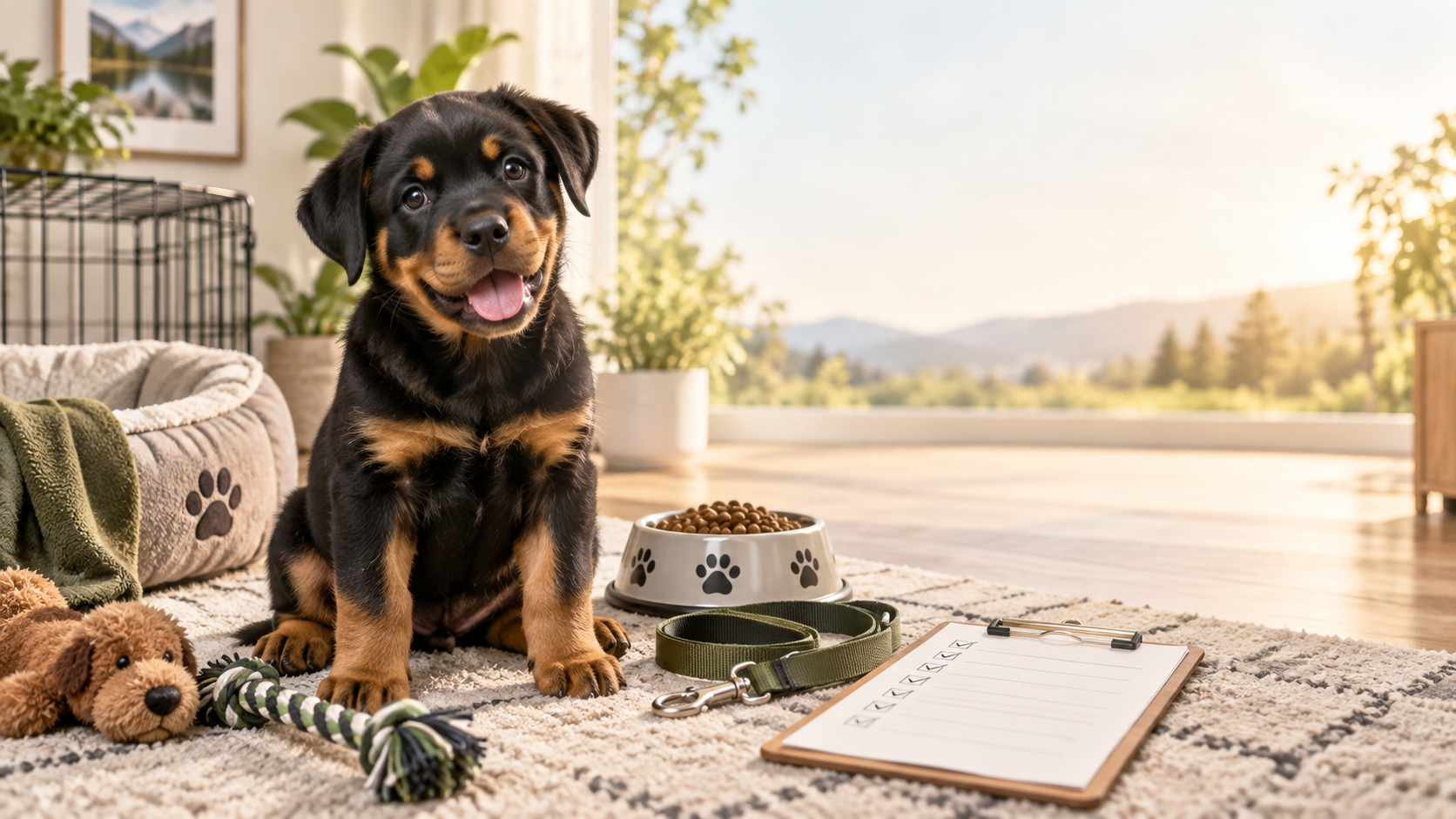
Everything for your Rottweiler in every life stage
From puppy preparation to training, nutrition, health and everyday care — choose the topic you need right now.
Puppy Guide
Prepare your home, survive the first nights, build a routine and start early training the right way.
Explore puppy basics →Training
Teach practical obedience, calm walking, recall and everyday manners with clear, structured steps.
See training help →Nutrition
Choose food, feeding routines and healthy habits that fit your Rottweiler's stage of life.
Read nutrition advice →Health
Understand common concerns, preventative care and when it's time to call your veterinarian.
Explore health topics →Products
Browse useful picks for crates, walking gear, grooming, feeding and everyday Rottweiler life.
Visit the product guide →Blog
Read seasonal tips, owner stories and practical guides for real life with a Rottweiler.
Read the blog →Start with the guides owners use most
Clear, practical reads for common Rottweiler questions — from biting and leash training to health and puppy setup.

How to Stop Puppy Biting
A calmer approach to nipping, chewing and overstimulated puppy behavior.
Read the guide →
Leash Training a Strong Rottweiler
Build better walking habits without turning every outing into a struggle.
Read the guide →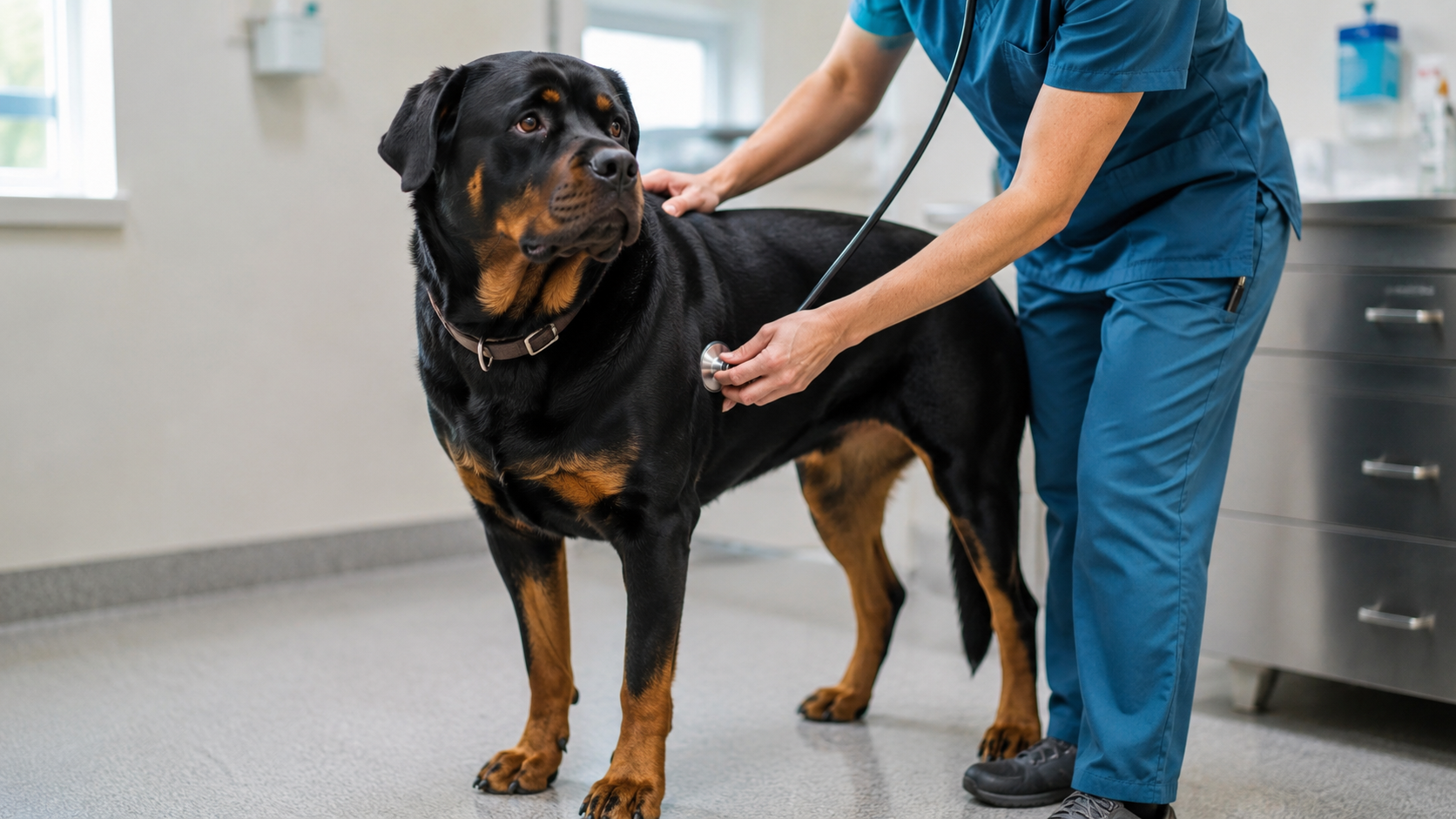
Rottweiler Health Issues to Know
Learn which concerns deserve attention early and which signs should never be ignored.
Read the guide →
What to Buy Before Bringing Home a Puppy
A practical starter list for the first weeks with a Rottweiler puppy.
Open the checklist →Stylish Richell Large End Table Wood Rottweiler Crate
A beautifull furniture-style wooden dog crate for Rottweiler puppies that gives them a secure resting space without making your living room look like a kennel.
Quick help for common owner questions
Use these simple tools when you want a faster answer before diving into a full guide.
Cost Calculator
Estimate what puppy supplies, food, vet care and everyday ownership may cost.
Calculate costs →Name Generator
Find Rottweiler name ideas that fit strong, loyal, goofy or classic personalities.
Find a name →Puppy Growth Tracker
Track your Rottweiler puppy's weight, compare it with breed growth ranges and predict adult size.
Track growth →Where are you right now with your Rottweiler?
Choose the situation that sounds most like yours and jump straight into the most useful starting point.
I'm getting a puppy soon
Use the checklist and setup guides before pickup day.
My puppy is biting nonstop
Get calm, practical help for the hardest puppy phase.
I want better training results
Follow a more structured path for everyday obedience.
I'm not sure what to buy
Compare useful products for real Rottweiler needs.

You don't have to figure it out alone.
RottieBuddy is built for owners who want clear guidance, real-life experience and practical support — whether you're preparing for a puppy or working through a new challenge.
Common questions about Rottweilers
Short answers to a few of the questions people ask before, during and after bringing a Rottweiler home.
Are Rottweilers good family dogs?
A well-bred, well-socialized Rottweiler can be a devoted family dog. The key pieces are supervision, clear boundaries, respectful children and ongoing training.
How much exercise does a Rottweiler need?
Puppies need age-appropriate, controlled movement. Adult Rottweilers usually do best with a mix of walks, training, play and calm mental work — not just more intensity.
Are Rottweilers easy to train?
They are intelligent and usually enjoy working with their person, but they need consistency, structure and fair handling. Short positive sessions work better than heavy repetition.
What should I buy before bringing home a Rottweiler puppy?
Start with the essentials: safe sleeping setup, food and water bowls, quality puppy food, a crate or pen, chew options, cleaning supplies, ID, vet planning and a simple routine for the first weeks.