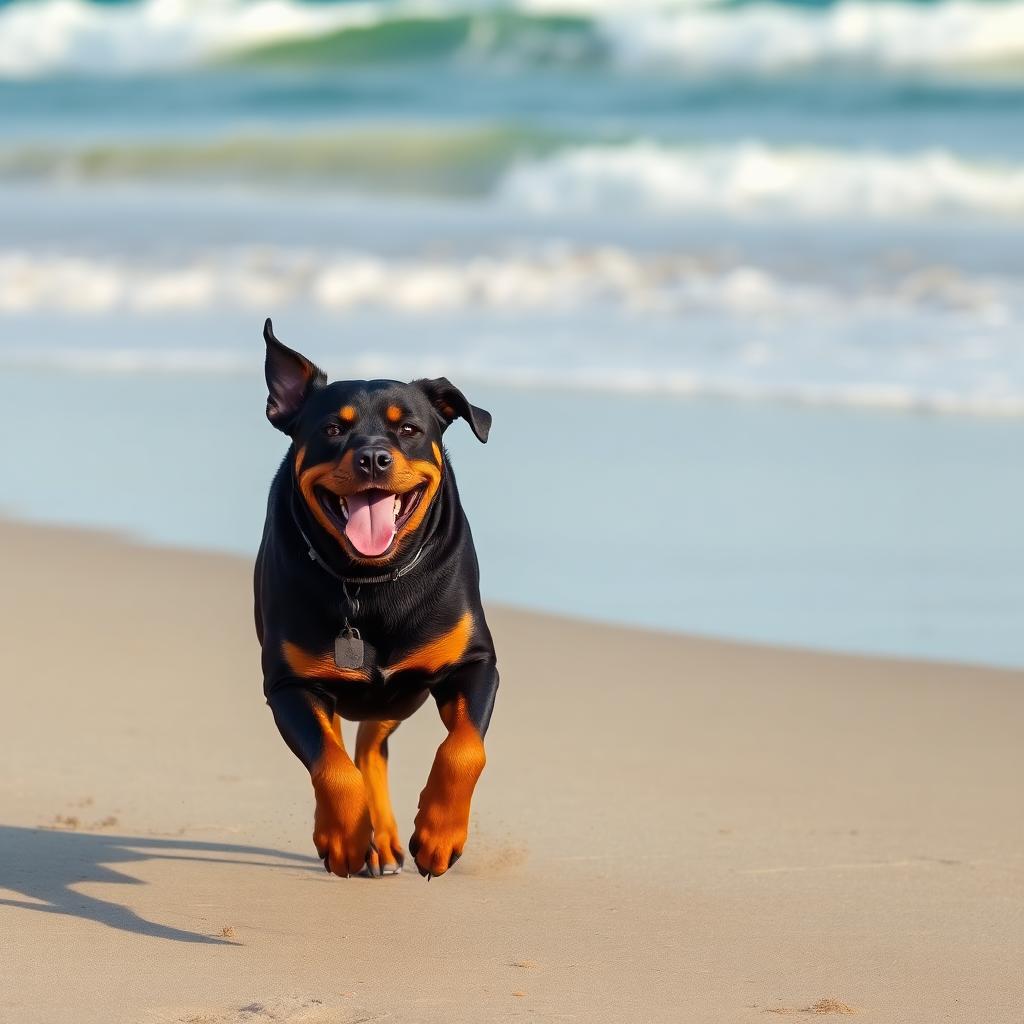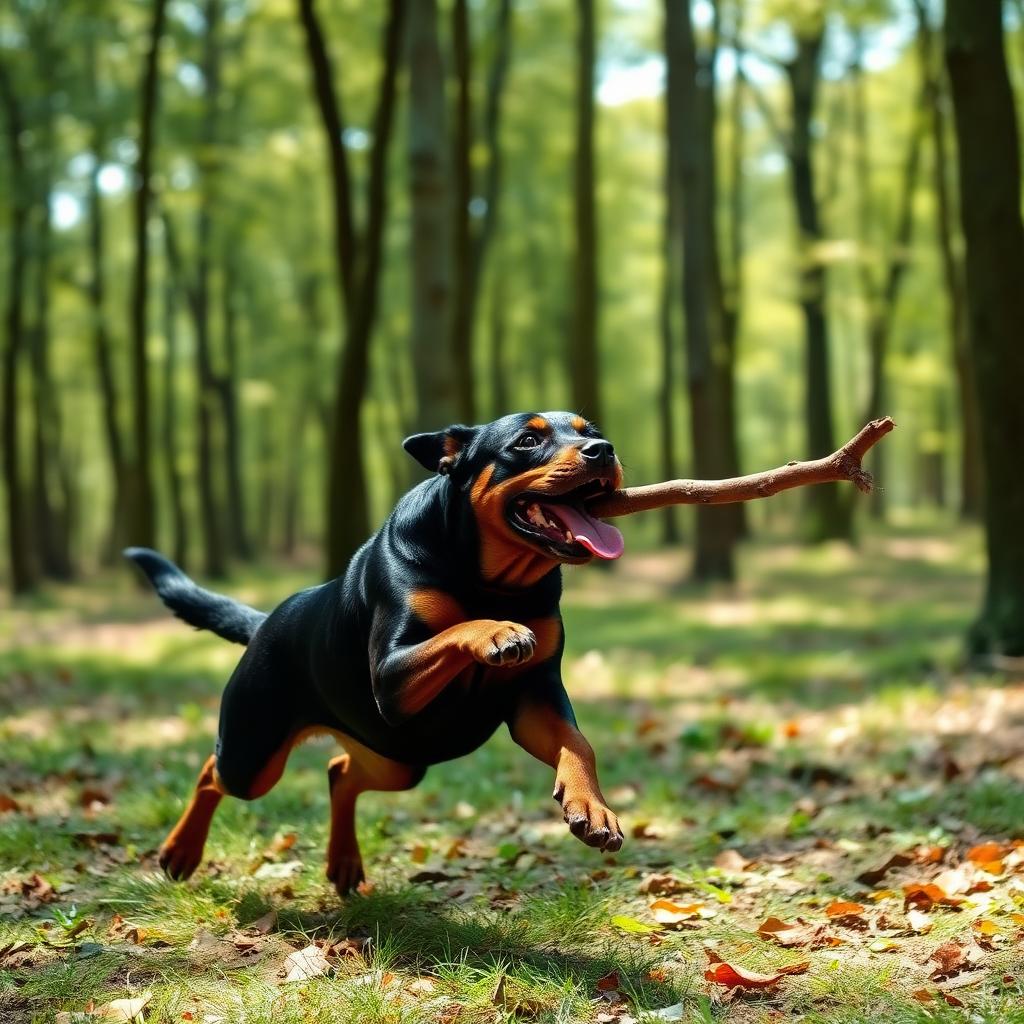
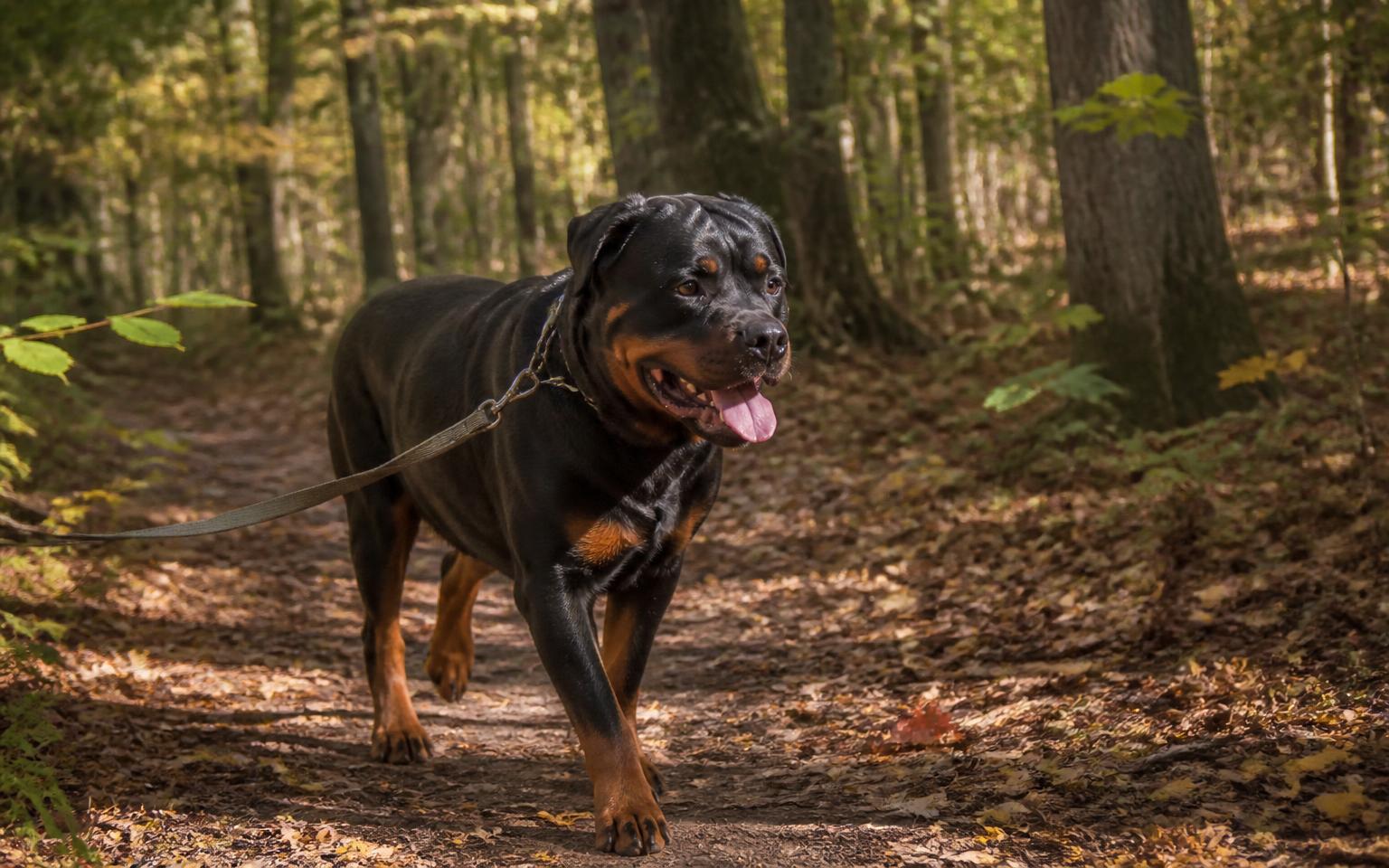
Forests are the perfect playground for a Rottweiler. Learn how to plan safe forest walks, what gear to pack, how to handle ticks and wildlife, and how to turn every hike into training.
Few things make a Rottweiler happier than a long walk through the woods. Soft forest floors are gentle on heavy joints, the shade keeps a dark-coated dog cool, and the endless stream of smells gives your dog the mental workout that a pavement walk simply cannot offer.
But a forest walk with a powerful, 45–60 kg working breed asks for a bit of planning. Below you'll find everything you need: the right gear, safety rules, tick prevention, training opportunities and the best toys to bring along.
Why Forest Walks Are Ideal for Rottweilers
- Joint friendly — natural ground absorbs impact far better than asphalt.
- Cooler — tree cover can lower the temperature by several degrees, which matters for a black coat.
- Mentally tiring — sniffing burns more energy than running. Thirty minutes of scent work often calms a Rottweiler more than an hour of fetch.
- Great for bonding — varied terrain means your dog checks in with you far more often.
Recommended Gear for a Forest Walk
Before heading into the woods, it's worth packing a few essentials. A portable dog bowl makes it easy to keep your Rottweiler hydrated, while a travel water bottle saves space in your backpack. If you're training recall, a long training leash gives your dog more freedom while staying safe. A treat pouch keeps rewards within reach, and a compact first aid kit covers unexpected situations. To keep your Rottie mentally stimulated after the walk, interactive dog toys are a great way to continue the fun at home.
| What to bring | Why it matters |
|---|---|
| Portable dog bowl | Collapsible, weighs nothing, lets your dog drink anywhere. |
| Travel water bottle | Bottle and bowl in one — essential on warm days. |
| Long training leash | 5–10 m of freedom while you stay in control. |
| Treat pouch | Hands-free rewards make recall training possible. |
| Tick remover | Remove ticks correctly within hours of the walk. |
| Dog first aid kit | Cuts from branches, glass or thorns happen. |
| Interactive dog toys | Extend the fun and the mental work at home. |
| GPS dog tracker | Peace of mind in large or unfamiliar woodland. |
Planning the Walk
Start with a route you know, or check a map for marked trails, water access and parking. For an adult Rottweiler in good condition, 60–90 minutes at a steady pace is a comfortable outing. Puppies need far less: a rough guideline is five minutes of walking per month of age, twice a day. If you're raising a young dog, read our Rottweiler Puppy Training Guide before taking longer forest adventures.
Leash Rules and Wildlife
Many forests require dogs to be leashed, especially during nesting and breeding season. Even where off-leash walking is allowed, remember that a Rottweiler chasing deer is intimidating for everyone involved — including the deer. A long line is the perfect compromise: your dog gets freedom, you keep control.
Teach a solid "leave it" and an emergency recall before you ever unclip. Practice on the long line first, in low-distraction areas, and reward generously.
Ticks, Water and Other Forest Risks
- Ticks — check ears, armpits, groin and between the toes after every walk. Remove ticks with a proper tool, twisting gently.
- Standing water — avoid stagnant ponds in summer; blue-green algae can be lethal.
- Thorns and sticks — never throw sticks; splinters cause serious mouth and throat injuries.
- Heat — even in shade, avoid the hottest hours. Rottweilers overheat quickly.
- Hunting season — use a high-visibility vest or collar in autumn.
Turn the Walk Into Training
A forest is a free training hall. Use fallen logs for controlled step-overs, tree stumps for "place" exercises, and clearings for recall games. Ask for a short sit-stay every few hundred metres and reward with a treat or a quick tug session. Ten minutes of structured work in the middle of a walk dramatically improves focus.
Best Toys to Bring on a Forest Walk
Many owners focus only on walking, but bringing a toy can make the outing even more enjoyable. Consider taking:
- A durable tug toy for training rewards.
- A floating toy if your route includes water.
- A treat-dispensing puzzle toy for breaks.
- A tough rubber chew toy for after the walk.
See our recommended Rottweiler toys here.
After the Walk
Rinse muddy paws, dry between the toes, do a full tick check and offer water — but wait 30–60 minutes before a large meal to reduce bloat risk. Proper nutrition is important for active dogs; visit our Rottweiler Nutrition Guide. Learn how to keep your dog in top condition in our Rottweiler Health Guide.
Frequently Asked Questions
How long can a Rottweiler walk in the forest?
A healthy adult can easily manage 60–90 minutes, and conditioned dogs handle several hours. Puppies and seniors need shorter, slower outings.
Can Rottweiler puppies go on forest walks?
Yes, once vaccinations are complete — but keep them short and avoid steep climbs or long jumps while the growth plates are still open.
Should my Rottweiler be off-leash in the woods?
Only where it's legally allowed and only with a reliable recall. A long line is the safer default.
How do I protect my dog against ticks?
Use a vet-recommended preventive treatment and check your dog thoroughly after every walk.
Final Thoughts
Forest walks give your Rottweiler exactly what the breed needs: physical work, mental stimulation and time with you. Pack the right gear, respect local rules, check for ticks and build a little training into every outing — and the woods will quickly become the best part of your week. Looking for the right equipment? Browse our Rottweiler Buyer's Guide.
Share this article
Read also
Pause for a moment
Three moments showing why Rottweilers are so special.